Jamaica Locksmith Queens Service Team
Local locksmith team
Sep 15, 2026 10 min read
A break-in is one of the most unsettling things a Queens homeowner can experience — and the hours right after it happen fast. Police are called, neighbors gather, and somewhere in the middle of it all you're standing at a damaged front door wondering whether your home is even secure enough to sleep in tonight. This guide is built for exactly that moment: a practical, step-by-step checklist to help you assess the damage, figure out what can be repaired versus what needs full replacement, and get your home locked down before the night is over.
Whether you're dealing with a kicked-in door on Hillside Avenue in Jamaica, a jimmied window lock near Sutphin Boulevard, or a shattered deadbolt frame in Flushing, the process is the same. Work through each step deliberately, don't skip the frame inspection, and don't settle for a temporary fix when your family's safety is on the line. And remember — you don't have to figure this out alone at 2 a.m.
## Step 1: Call the Police First — Then Secure the Scene
Before you touch anything, call 911 and wait for officers to arrive. This isn't just a formality — a police report is required by most insurance companies to process a claim, and officers may be able to collect evidence that a well-meaning cleanup attempt would destroy. Once the scene has been cleared and documented, you can begin your own assessment. Do not re-enter the home if you have any reason to believe someone is still inside. Stand back, keep other household members away from the entry point, and let the professionals confirm the space is safe.
Once police give you the all-clear, resist the urge to immediately start barricading the door with furniture or duct-taping a broken frame. You need an honest look at what you're working with before you decide on a course of action. Take photos of every point of entry — the door, the frame, the lock hardware, and any windows. These photos will matter for your insurance claim and will help a locksmith quickly assess the repair scope when they arrive.
## Step 2: Assess the Door Frame Before Worrying About the Lock
Here's something most homeowners overlook after a break-in: the lock itself is often fine. What fails first is the door frame. When a door is kicked in, the force typically splits the door jamb or blows out the strike plate mounting — sometimes pulling the screws and wood clean out of the wall. A brand-new deadbolt installed into a compromised frame is almost useless; a determined person could kick it in again within seconds.
Run your hand along the full length of the door jamb on the latch side. Look for cracking, splintering, or any section that moves when you press against it. Check whether the strike plate is still flush against the jamb, or if it's bent, missing screws, or sitting in a void where the wood has caved in. If the frame is damaged, that must be repaired or reinforced before any lock work begins. A qualified locksmith will often install a heavy-duty strike plate with three-inch screws anchored into the wall stud — not just the jamb wood — to restore real holding strength.
## Step 3: Evaluate Every Lock in the Home — Not Just the Entry Point
Once the entry point is documented, walk every exterior door and accessible window in the home. Break-ins rarely involve just one point of entry, and sometimes a burglar will manipulate a secondary lock, leave a back door unlatched, or damage a window latch as part of casing the property on a prior visit. Check all exterior deadbolts, knob locks, sliding door locks, and any padlocks on gates or garage side doors.
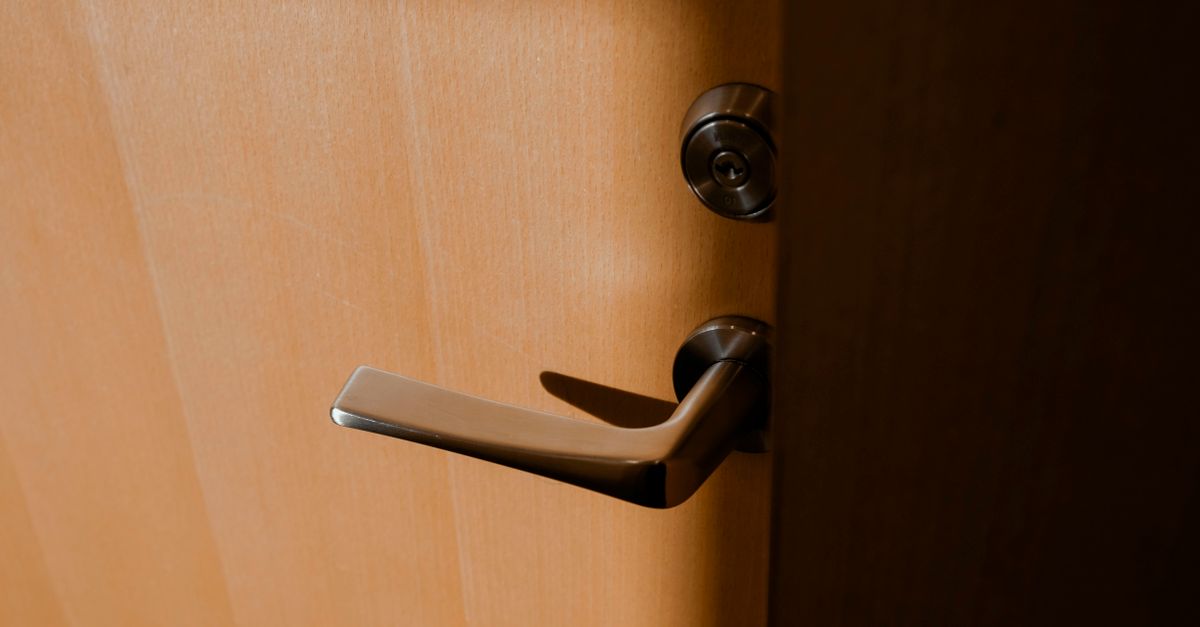
For each lock, look for these specific signs of tampering: scratch marks around the keyway, a cylinder that spins loosely or won't reset, a lock body that has shifted position in the door, or a thumb-turn that moves without any resistance. Any of these signals means the lock has been compromised and should be replaced — not just rekeyed. If your home has older mortise lock hardware (common in many pre-war Queens apartment buildings and attached row houses), it's worth asking your locksmith whether the lock body itself sustained internal damage, since mortise mechanisms have more internal components that can be bent or broken during a forced entry. Upgrading to a Grade 1 deadbolt — brands like Schlage or Kwikset make solid residential options — is often the right call after an event like this. If you've been wondering how to change your lock or whether a full swap is necessary, a walkthrough with an experienced locksmith will give you a clear answer based on the actual hardware condition, not a guess.
## Step 4: Repair, Rekey, or Replace — Understanding Your Options
Not every lock needs to be thrown out after a break-in. Here's a practical breakdown of the three paths, so you can have an informed conversation with your locksmith before any work starts. Repair applies when the lock body is structurally intact but something mechanical has been bent or knocked loose — a set screw, a cam, a tailpiece. Rekeying applies when the lock was not physically damaged but you need to render any stolen or copied key useless; a locksmith changes the internal pin configuration so only a new key works. Full replacement applies when the lock body is cracked, the cylinder has been forcibly turned or drilled, or when the existing hardware simply wasn't up to the job in the first place — single-cylinder knob locks on an exterior door, for example, offer very little real security and a break-in is a good moment to upgrade.
One scenario that comes up often in Queens: a homeowner discovers they're effectively locked out of their own house because the damaged lock no longer responds to their key — the cylinder is jammed, the deadbolt is stuck in the extended position, or the door is simply seized in the frame. If you find yourself in a situation where you need to get back inside your own home and the door won't cooperate, call a locksmith immediately. Our team at Jamaica Locksmith Queens handles exactly these situations every night — we can safely open the door, assess the damaged mechanism from the inside, and complete the repair or replacement in a single visit. If you're wondering what to do when you're locked out of your house after a break-in has left you on the wrong side of your own door, this is the call to make: 718-841-7630.
## Step 5: Harden What's Left — Before You Go to Sleep
Once the primary lock and frame have been addressed, take thirty minutes to do a hardening pass on everything else. Replace any single-screw strike plates with six-hole versions using three-inch screws. Add a door reinforcement kit to the weak point of the jamb if the frame took any damage. Consider a sliding door security bar for any rear glass doors. If your building has a shared entry vestibule — as many two- and three-family homes in neighborhoods like Jamaica, Richmond Hill, or Woodhaven do — notify your upstairs neighbors so they're not entering blindly through an unsecured common area.
This is also the right time to think about whether a smart lock or high-security cylinder upgrade makes sense for your specific door. Smart locks can't be bumped or picked the same way traditional pin-tumbler locks can, and some models allow you to see entry logs, which is useful if there's any question about when the break-in occurred relative to your schedule. Your locksmith can walk you through which options are compatible with your existing door prep — a Baldwin interior mortise lock setup, for instance, has very different retrofit requirements than a standard cylindrical lock bore. Ask questions. A good locksmith will give you honest answers, not an upsell.
## What Determines the Cost of Emergency Lock Repair After a Break-In
We get asked about pricing at every late-night call, and it's a fair question. The factors that shape the final quote for post-break-in locksmith work include: the type and grade of lock hardware being repaired or replaced, the condition and material of the door frame, the number of entry points that need attention, the time of the service call, and the travel distance to your location in Queens. Parts availability matters too — a standard Kwikset deadbolt swap is straightforward, but sourcing a matching mortise lock body for an older door may take more time and a different component cost.
What we always do before any work begins is confirm an exact up-front price with you — no surprises when the job is done. If you'd like to know what to expect for your specific situation, give us a call at 718-841-7630 and we'll ask the right questions to give you an accurate picture before we even pull up to your door. We're available 24 hours a day, 7 days a week, every day of the year — because break-ins don't happen on a schedule.
Frequently asked questions
What should I do if I'm locked out of my house after a break-in damaged my lock?+
Don't try to force the door or improvise an entry — damaged lock mechanisms can bind in unpredictable ways and you risk making the repair more complicated. Call a professional locksmith immediately. At Jamaica Locksmith Queens, we respond 24/7 and carry the tools to open a seized or damaged lock without adding more harm to the door or frame. Once we're inside, we can assess the full damage and complete the repair or replacement in the same visit. If you're wondering what to do when you're locked out of your house in this kind of situation, the fastest and safest answer is to call 718-841-7630.
Should I rekey or fully replace my locks after a break-in?+
It depends on the physical condition of the lock. If the cylinder and lock body are structurally intact and the break-in happened through the frame rather than through the lock itself, rekeying may be sufficient — especially if you're concerned about any keys that may have been taken during the burglary. However, if there are visible signs of forced entry on the lock hardware — a spun cylinder, cracks in the lock body, a bent cam or tailpiece — replacement is the right call. An experienced locksmith can tell you definitively after a hands-on inspection, which takes about two minutes and costs nothing to evaluate on the spot.
How do I know if my door frame needs to be fixed before the new lock is installed?+
Look at the strike plate area on the jamb. If the wood is split, if the plate is pulled away from the surface, or if you can wiggle the strike plate at all, the frame needs attention before a new lock goes in. Installing a deadbolt into a compromised jamb provides almost no real security — the frame will fail before the lock does if someone kicks the door again. A qualified locksmith will reinforce the strike plate mounting with longer screws anchored into the wall stud, and in more serious cases will recommend a full jamb repair or a wrap-around door reinforcement plate before completing the lock installation.
Can a locksmith come out in the middle of the night after a break-in in Queens?+
Yes — Jamaica Locksmith Queens operates 24 hours a day, 7 days a week throughout the Queens area, including Jamaica, Flushing, Richmond Hill, Woodhaven, Astoria, and everywhere in between. Break-ins don't wait for business hours, and neither do we. When you call 718-841-7630, you reach a live team member who can dispatch a skilled locksmith to your location, not an answering service that leaves you waiting until morning. We'll confirm an exact price before any work starts and handle the full repair — frame assessment, lock replacement, and security check — in a single visit.