Why Commercial Security Demands More Than a Residential Locksmith
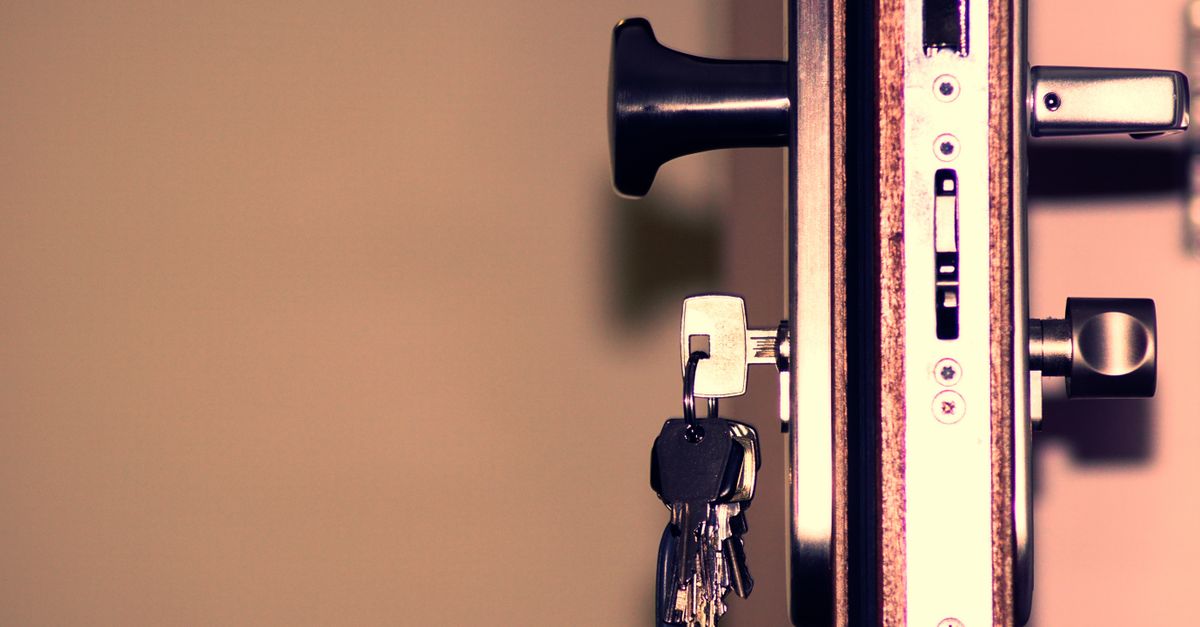
A home usually has one or two doors, a handful of keyholders, and a fairly predictable routine. A business is a different animal entirely. You may have a front entrance with a glass storefront, a rear delivery door with a panic bar, an office suite with a master-key hierarchy, a stockroom, a mechanical room, and a mailbox — each with its own access rules and its own failure points. A commercial locksmith has to think about foot traffic volume, life-safety code on egress doors, who needs access to what, and how quickly a lock will wear out when it is opened two hundred times a day instead of five.
Downtime is the other big difference. When a residential lock fails, one family is inconvenienced. When a commercial lock fails, you might be turning customers away on Jamaica Avenue or telling employees to wait in the parking lot near Atlas Park. Our technicians carry grade-rated hardware, closers, exit devices, and cylinders sized for high-cycle commercial use, so we can repair or replace on the first visit rather than leaving you propped open with a doorstop.
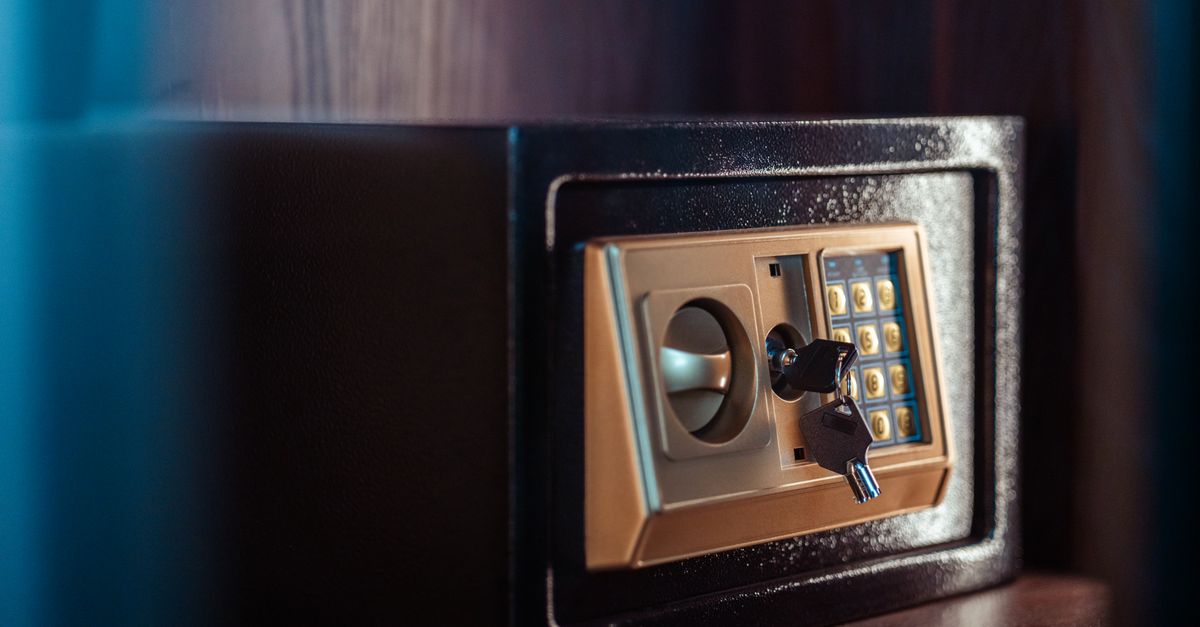
We also plan for accountability. Businesses need to know who holds a key, who can revoke it, and how quickly a departed employee can be locked out. That means we spend as much time on your access policy as on the hardware itself — mapping out which doors sit under a master key, which run on cards or codes, and how you will audit access six months from now.