How Master Key Systems Actually Work — Levels, Cylinders, and Key Control
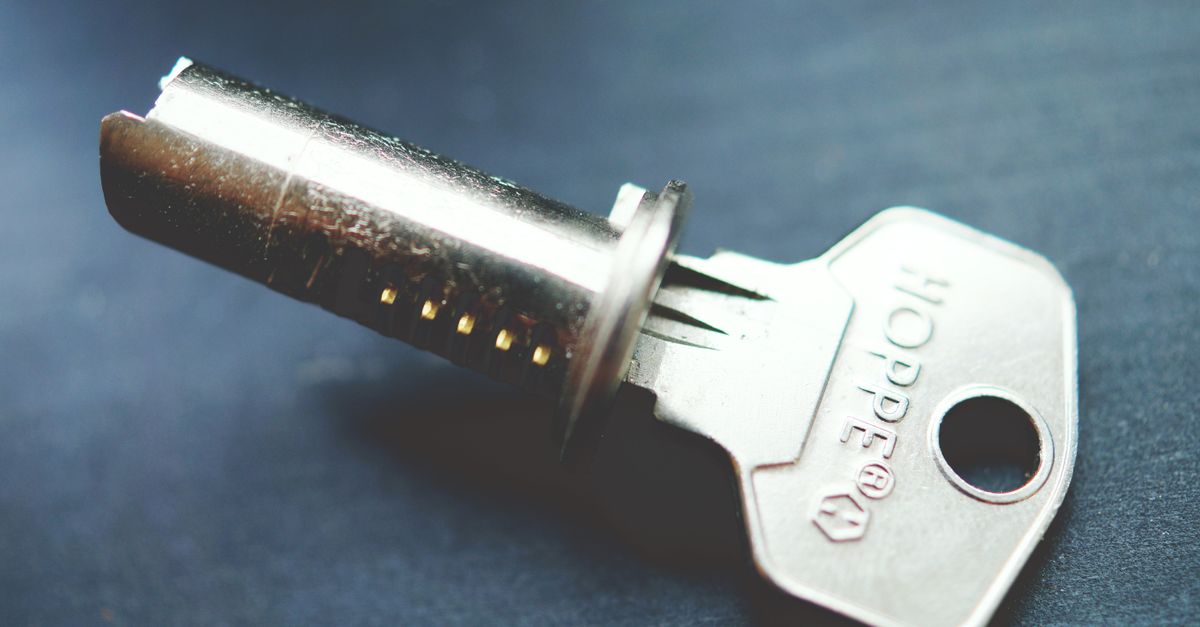
A keying hierarchy is built around a series of interlocking pin-stack arrangements inside standard pin-tumbler cylinders. At the top of the hierarchy sits the Grand Master Key, which opens every lock in the system. Below that you can have Master Keys that open defined zones — say, all locks on the second floor of a Jackson Heights office building — while individual Change Keys open only a single lock. A Grand Master Key system can add a fourth tier, giving a property manager access to every unit across multiple buildings while each building superintendent holds a Master Key that covers only their structure. The beauty of the design is that it uses off-the-shelf lock hardware from manufacturers like Schlage, Medeco, and BEST, modified at the cylinder level — so you keep familiar hardware without sacrificing the tiered logic.
Key control is the feature that separates a professionally built system from a hardware-store workaround. Restricted keyways — cylinders that accept only keys cut on a patented or controlled blank — prevent tenants, employees, or former staff from walking into any Queens locksmith supply house and duplicating their key without authorization. We register your building's keyway, keep records of which key numbers have been issued to which individuals, and can rekey individual cylinders when a key is lost without dismantling the entire hierarchy. That means a tenant on the third floor of your Elmhurst apartment building losing their Change Key does not force you to rekey every door in the building — just that one cylinder.