What Smart Lock Installation Actually Involves — And Why It's Not a DIY Shortcut
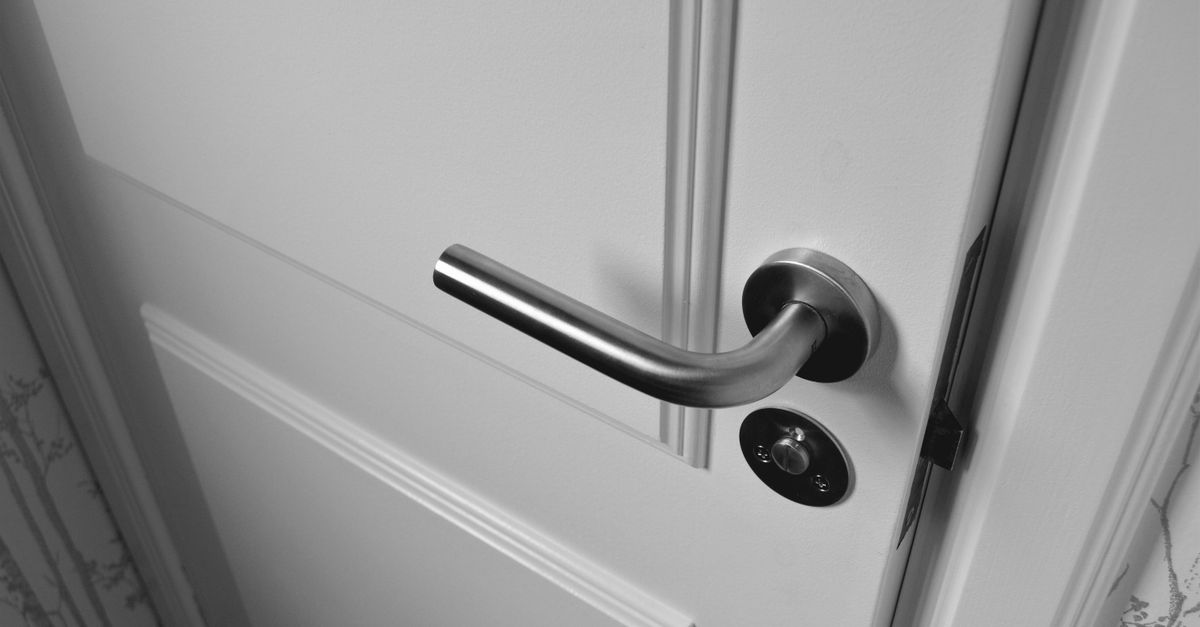
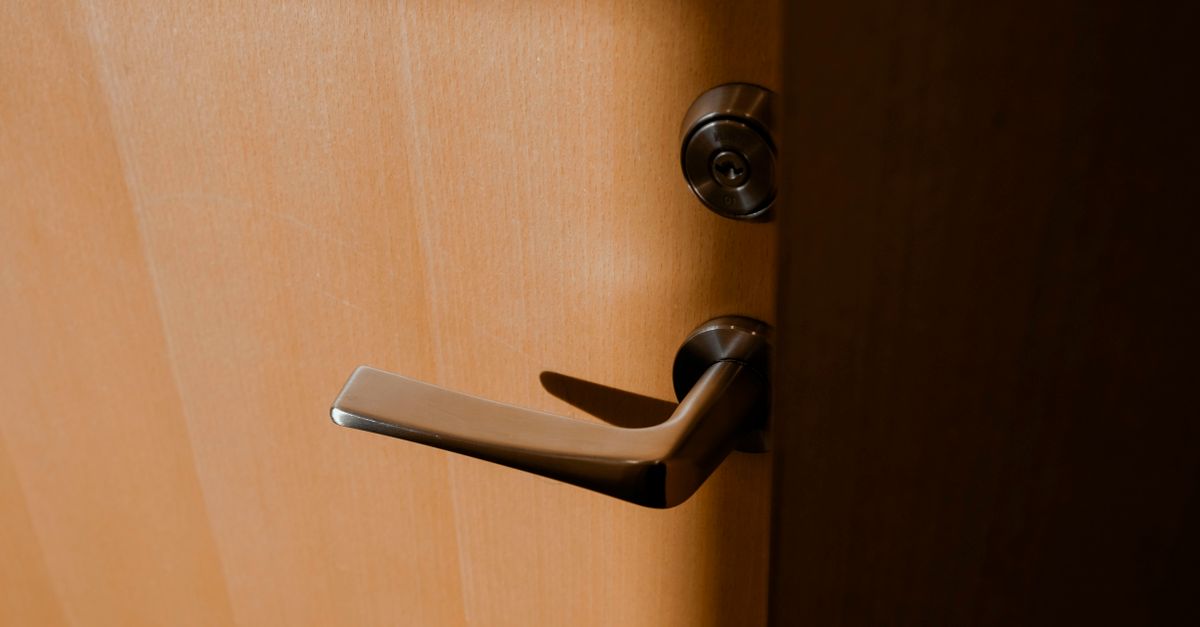
Most keypad and app-controlled locks are marketed as straightforward retrofits, and for a standard 2-1/8-inch bore on a plain exterior door, they often are. But Queens housing stock tells a different story. Pre-war brownstones in Astoria and Woodside frequently have thick, solid-core doors with non-standard backsets. Older two-families in Richmond Hill may have existing mortise lock pockets that need a mortise smart lock rather than a cylindrical retrofit — a distinction that matters enormously because mortise smart lock bodies are longer, require precise pocket depth, and must align with a multi-point strike plate. Skipping that assessment and forcing the wrong lock type leads to binding latches, exposed gaps in the door edge, and security vulnerabilities worse than the original hardware. Our technicians measure, template, and test-fit before any drilling or modification begins.
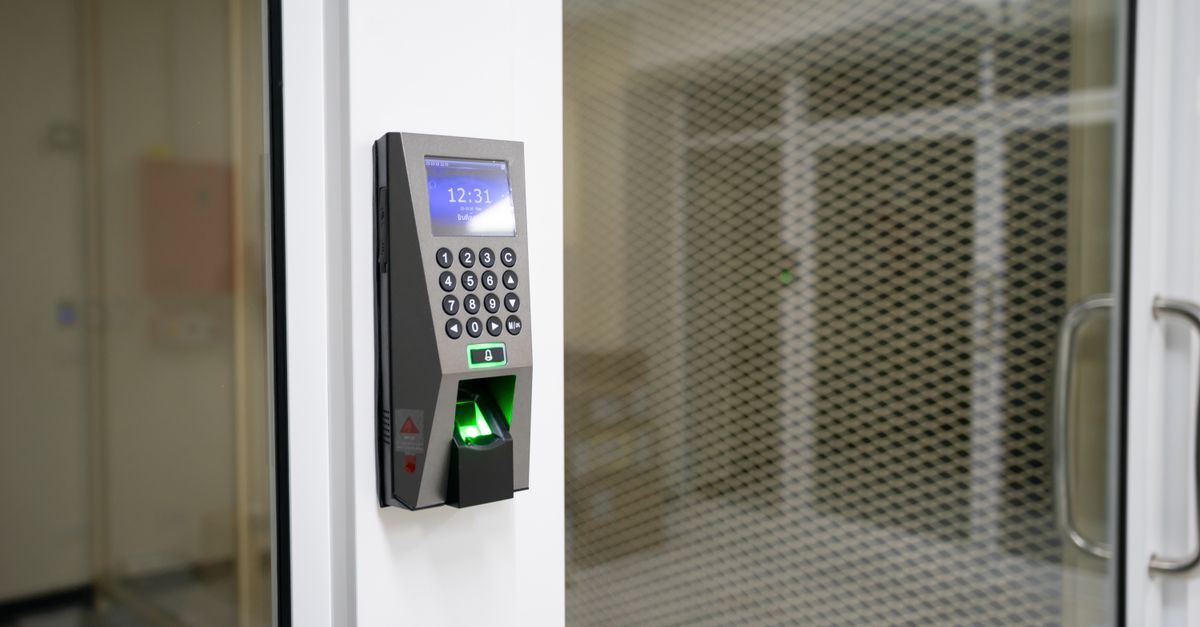
Beyond the mechanical side, smart locks introduce an electronic layer that has to be set up correctly: Bluetooth and Wi-Fi pairing, hub integration for Z-Wave or Zigbee systems, user code programming, auto-lock timing, and sometimes firmware updates right out of the box. We walk through each step on-site, confirm the lock communicates reliably with your phone or smart home system, and show you how to add or delete user codes so you're never dependent on a single point of failure. For rental property owners managing buildings on Hillside Avenue or near JFK, that remote-access capability — combined with the ability to generate and revoke entry codes without making physical keys — is genuinely transformative for day-to-day operations.